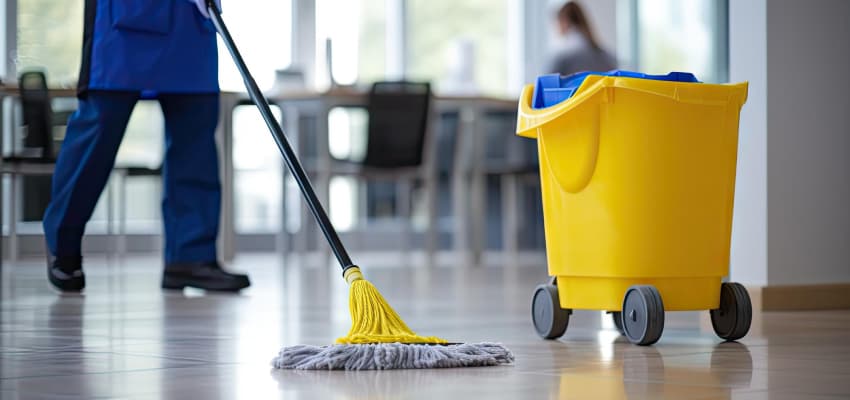
A clean office creates a professional image, boosts morale, and supports employee health—but many workplaces overlook the very spots that collect the most germs. While desks are wiped and floors are vacuumed, high-touch, high-traffic areas often remain untouched, becoming hotbeds for bacteria and viruses.
This blog highlights hidden germ zones in offices, why they matter, and how to clean them effectively. Whether you're a facility manager, a small business owner, or an employee trying to stay healthy, this guide can make your workplace safer and more sanitary.
The Dirty Truth About Office Spaces
Studies by the University of Arizona and other research institutions have consistently shown that offices are germier than most people realize:
-
The average desk harbors 400x more bacteria than a toilet seat
-
Keyboards and phones are among the top offenders
-
Communal areas like break rooms are bacteria central
Germs easily spread from hands to surfaces to others. Without frequent cleaning of hidden zones, illnesses like colds, flu, and COVID-19 spread quickly.
Top 10 Hidden Germ Zones in Offices
1. Keyboards and Computer Mice
These devices are touched all day, often while eating or sneezing nearby. Crumbs, skin oils, and sweat make them perfect breeding grounds for bacteria.
How to clean:
-
Unplug devices first
-
Use compressed air to remove debris
-
Wipe with alcohol-based disinfectant wipes
-
Clean weekly or daily during flu season
2. Telephones (Especially Desk and Shared Phones)
Phone handsets and buttons collect face oils, makeup, saliva, and germs from hands. Shared conference phones are even riskier.
How to clean:
-
Use alcohol wipes
-
Avoid harsh sprays that could seep into buttons
-
Encourage employees to clean phones regularly
3. Doorknobs and Handles
Every person who enters a room touches these. Office bathroom, kitchen, and meeting room handles are among the dirtiest surfaces in any commercial setting.
How to clean:
-
Disinfect at least twice a day
-
Use hospital-grade disinfectant or alcohol solution (minimum 70%)
-
Consider installing hands-free door openers for restrooms
4. Elevator Buttons
Tiny but powerful germ-spreaders, especially in multi-story buildings with high foot traffic.
How to clean:
-
Disinfect frequently throughout the day
-
Wipe with non-corrosive disinfectants
-
Install touchless or voice-activated elevator systems where possible
5. Break Room Appliances (Microwave, Coffee Machine, Fridge Handle)
Shared kitchen tools are rarely cleaned but frequently touched—often after handling raw food or unwashed lunch containers.
How to clean:
-
Wipe exterior surfaces daily
-
Clean fridge interior weekly
-
Assign responsibility or rotate among staff for routine cleaning
6. Conference Room Tables and Remotes
These areas are often cleaned less frequently due to irregular use, but are commonly touched by multiple people in a short time.
How to clean:
-
Wipe tables and chairs before and after meetings
-
Sanitize remotes, clickers, and shared stationery
-
Provide wipes or hand sanitizers at each meeting table
7. Printer, Copier, and Scanner Touch Panels
Often located in communal areas and used by dozens of people each day.
How to clean:
-
Use alcohol-based wipes to clean buttons and screens
-
Clean daily (or after every use in high-traffic offices)
-
Encourage employees to sanitize hands before/after use
8. Light Switches
Another often-overlooked but highly-touched surface.
How to clean:
-
Wipe with disinfectant regularly
-
Use motion-sensor lighting to eliminate contact entirely
9. Armrests of Office Chairs
Most employees touch them repeatedly during the day, but they rarely get cleaned.
How to clean:
-
Use disinfectant spray or wipes daily
-
Clean fabric armrests with upholstery-safe disinfectant weekly
-
Encourage personal workstation cleaning routines
10. Shared Office Supplies (Pens, Staplers, Notepads)
Items on the reception desk, meeting rooms, or kitchen pen jars are bacteria magnets.
How to clean:
-
Sanitize shared items regularly
-
Replace communal items with personal sets if possible
-
Provide disinfectant wipes for on-the-spot cleaning
The Health Impact: Why It Matters
A dirty office isn’t just an eyesore—it’s a health hazard. Without routine sanitization:
-
Viruses spread faster, especially in enclosed, air-conditioned environments
-
Employee sick days increase, affecting productivity
-
Clients notice unclean areas, which could harm your reputation
-
Allergies and respiratory issues can worsen due to dust and mold buildup
Best Practices for Cleaning Office Germ Zones
✅ Develop a Daily, Weekly, and Monthly Cleaning Schedule
-
Daily: High-touch surfaces (desks, handles, electronics)
-
Weekly: Shared appliances, vents, windowsills
-
Monthly: Deep cleaning (carpets, upholstery, ducts)
✅ Use the Right Products
-
EPA-registered disinfectants for surfaces
-
Alcohol-based wipes for electronics
-
Microfiber cloths to trap dust and reduce cross-contamination
✅ Encourage Personal Desk Cleaning
-
Provide mini cleaning kits for employees
-
Post reminders about sanitizing phones and keyboards
-
Offer incentives for tidy workspaces (clean desk contests)
✅ Hire Professional Cleaners
-
Ensure thorough cleaning of neglected zones
-
Save time and improve quality
-
Benefit from specialized equipment (steam cleaners, HEPA vacuums, etc.)
Creating a Culture of Clean
Office hygiene is a shared responsibility. Encourage your team to be proactive:
-
Use hand sanitizers placed throughout the office
-
Wipe down personal and shared equipment regularly
-
Report unclean areas or spills immediately
-
Respect cleaning staff and support their role
Cleanliness isn’t just the janitor’s job—it’s everyone’s.
Conclusion
The cleanliness of your workplace directly affects the health, performance, and satisfaction of your team. Ignoring hidden germ zones allows bacteria and viruses to spread quickly. But with intentional cleaning routines and a team effort, you can create a healthier, more productive office environment.
Need help staying on top of these germ zones? Our commercial cleaning services are designed for businesses like yours. We offer daily, weekly, or seasonal deep-clean packages tailored to your schedule and space.